Emergency Tree Removal in Danbury
Request an estimate today
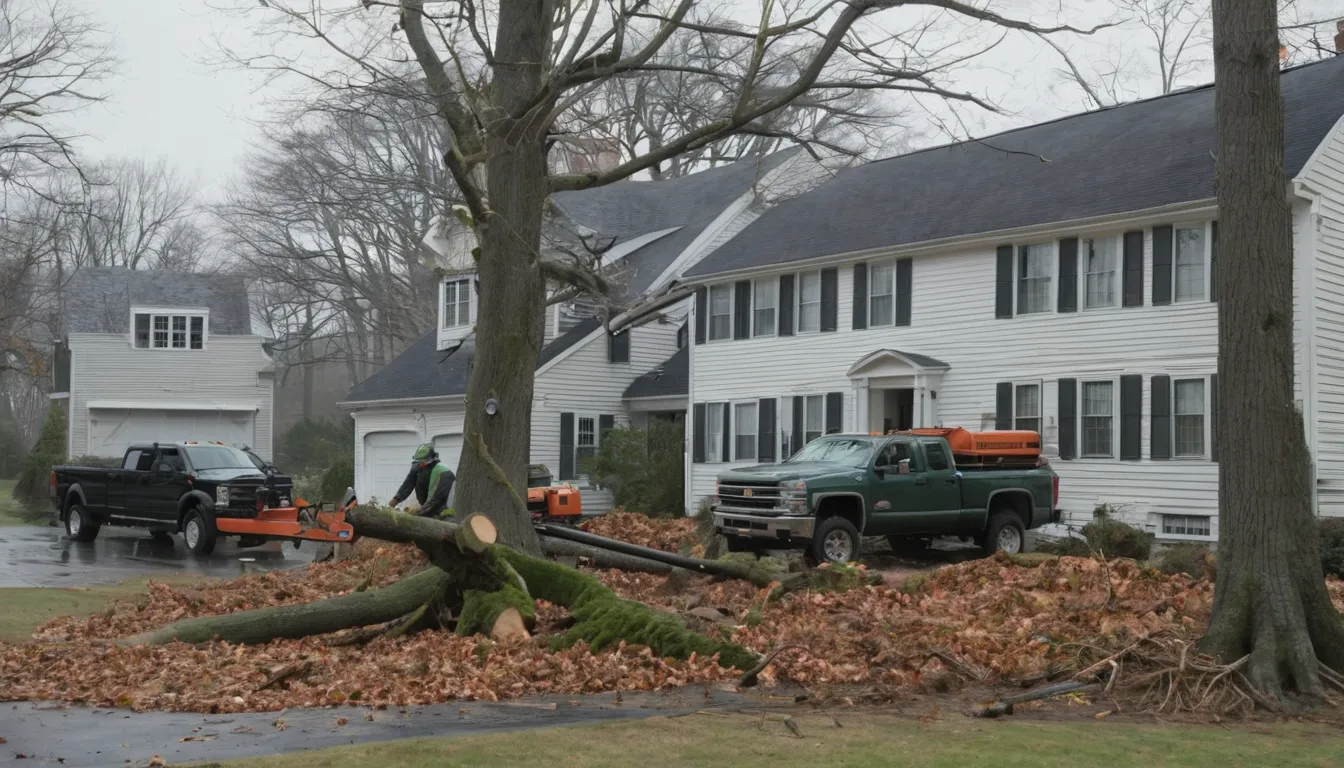
A lot of people think a fallen tree can sit until the weather clears. In practice, the first hours and days decide whether you face a simple cleanup or a bigger repair bill. Weight on a roof, soaked soil, and cracked trunks all change fast.
Ofleadership Tree Service is a referral service. We do not cut or haul anything ourselves. We match your request with an independent provider in our network who handles emergency tree removal in Danbury and the Danbury area. You describe what happened, we share it with a local provider, and you get a written quote before any work starts. No obligation, and you stay in charge of the decision.
This page explains what to do first, which tree problems are truly urgent, and what questions to ask before you hire. Read it, then send your request when you are ready.
Myth versus reality: a downed tree can wait
A lot of homeowners think a fallen tree is just a messy yard problem. In practice, it is a timing problem. Trees under stress shift, roofs take on weight, and water finds the gaps. Acting early keeps a small mess from growing.
Hour one: stay back and stay safe
Most people think they should rush out and look. Please don't. Stay inside until the wind settles. Keep kids and pets away from the tree, the yard, and anything it touches.
If a branch rests on a wire, treat the wire as live. Stay well back and tell the utility company. No tree is worth the risk.
Hours two to six: write down what you see
Once it is safe, take photos from a distance. Capture the tree, the damage, and the date. Those photos help providers plan the job and help with any claim later.
What counts as an urgent tree problem
Not every broken limb is an emergency. Some problems really are, though. Here is how to tell them apart.
A tree on a house, car, or fence
This is the clearest case. A trunk resting on a roof adds heavy load to rafters. Water can also enter through broken shingles. Providers usually put these jobs first.
A leaning or cracked tree
Myth: if it is still standing, it is fine. Reality: a new lean, lifted soil at the base, or a split trunk can mean the tree is about to go. Keep clear of its fall path and ask for an assessment.
Hanging limbs over walkways or driveways
Broken limbs caught in the canopy are sometimes called widowmakers. They can drop without warning. They deserve fast attention, even if the rest of the tree looks fine.
Hours, then days: how the timeline unfolds
The first day
The goal is safety and stopping further harm. A provider may secure the tree, cut it into sections, and clear the access path. If a roof is hit, cover the opening with a tarp as soon as a pro says it is safe.
Days two through five
Wet soil and wood under strain keep moving. A heavy trunk can slowly crush gutters, siding, or a porch. Cold snaps and snowmelt add moisture and ice, which makes cleanup slower and riskier. Many providers can respond quickly, but they are busiest right after storms.
The first season
Left alone, damaged wood can rot, attract insects, and drop more limbs. Fixing things early often means a simpler repair. Waiting can turn one fallen tree into several problems.
DIY or pro: where you can help
Some homeowners think a chainsaw and a spare afternoon are enough. For a tree under tension, they usually are not. Bent trunks can snap back, and a cut in the wrong spot can drop the whole thing on you.
Here is where you can safely help:
- Take photos from a safe distance.
- Move cars and outdoor items out of reach.
- Clear a path for the crew to reach the yard.
- Rake small, loose twigs once the tree is gone.
Leave the cutting, climbing, and crane work to a provider with the right gear and insurance.
How storm tree clearance works
Storm tree clearance usually follows a steady order. You send a request. A provider reviews it, checks availability, and visits or reviews photos. You get a written quote. The crew then makes the site safe, cuts the tree in sections, and hauls away debris.
Some jobs need a crane or a bucket lift. Older homes with tight lots and low roofs often do.
Request a callback to check provider availability for your address.
Working with your insurance
Some policies may cover sudden damage from a fallen tree, but coverage varies. Check your policy and talk to your insurer. Providers can often help document damage for a claim with photos and written notes. Keep every receipt.
Preventing the next storm problem
Myth: healthy-looking trees never fall. Reality: weak unions, dead branches, and shallow roots often hide in plain sight. A yearly look from a tree provider can catch trouble before winter ice or coastal wind does. Trim branches near rooflines, and watch for mushrooms at the base.
Questions to ask the provider
Before you say yes, ask a few simple things:
- Is the quote in writing, and what does it include?
- Will debris be hauled away or left on site?
- Does the provider carry liability insurance?
- Will a crane or lift be needed, and does that change the price?
A clear answer to each one is a good sign. A rushed or vague answer is a reason to ask again.
What's Included
Safe tree cutting
Providers section fallen trees carefully, keeping weight off roofs, fences, and anything else nearby.
Storm tree clearance
Blocked driveways, yards, and access paths cleared so you can get in and out again.
Debris hauling
Logs, branches, and brush loaded up and taken away, so your yard is usable again.
Damage notes
Photos and written notes that may help when you speak with your insurer.
Typical Emergency Tree Removal Costs
Prices vary by tree size, access, and how much damage there is. These are typical U.S. ranges only, so always ask for a written quote before work begins.
| Item | Typical range | Notes |
|---|---|---|
| Small fallen tree | $300 – $1,000 | Clear yard access, no structure involved |
| Large fallen tree | $1,000 – $3,000 | Heavier trunk, more cutting and hauling |
| Tree on a roof or house | $2,000 – $10,000 | May need a crane and careful sectioning |
| Hanging or broken limbs | $200 – $800 | Depends on height and what is below |
| Debris hauling | $100 – $500 | Often included, so confirm it in the quote |
| Urgent or storm-time premium | $300 – $1,500 | Extra charge some providers add after storms |
How It Works
Send your request
Tell us what fell, where it landed, and what it is touching. Photos help.
Get matched
Ofleadership Tree Service shares your details with a provider in our network.
Review the quote
The provider gives a written quote. You decide with no obligation.
Provider does the work
The provider makes the site safe, cuts, and hauls debris.
Why Call Ofleadership Tree Service
Referral, not a contractor
Ofleadership Tree Service matches you with an independent local provider who does the actual work.
Timing-first
We explain what changes hour by hour so you can act sooner.
Plain answers
Simple, honest guidance without jargon or pressure to commit.
Local providers
Independent pros who know the Danbury area weather, trees, and older homes.
Other Services
Need emergency tree removal in Danbury?
Tell us about your tree and where it stands. Send the request form and we will point you to a local provider who can look at the job and give you a written quote.
No obligationEmergency Tree Removal FAQ
- What should I do first when a tree falls on my house?
- Get everyone to a safe spot, stay away from any wires, and do not go near the tree. Take photos from a distance, then request an estimate from a local provider.
- Does homeowners insurance cover emergency tree removal?
- Some policies may cover sudden damage from a fallen tree, but it depends on your plan and the cause. Check your policy, and ask the provider to help document damage with photos and notes.
- Can I remove a fallen tree myself to save money?
- Small, loose branches are fine once it is safe. Trees that are bent, tangled, or resting on a structure can snap back without warning. For those, a provider with proper gear is the safer choice.
Reach a local provider
Tell us about your tree and where it stands. Send the request form and we will point you to a local provider who can look at the job and give you a written quote.
No obligation