Tree Removal Help for Homeowners
Request an estimate in minutes
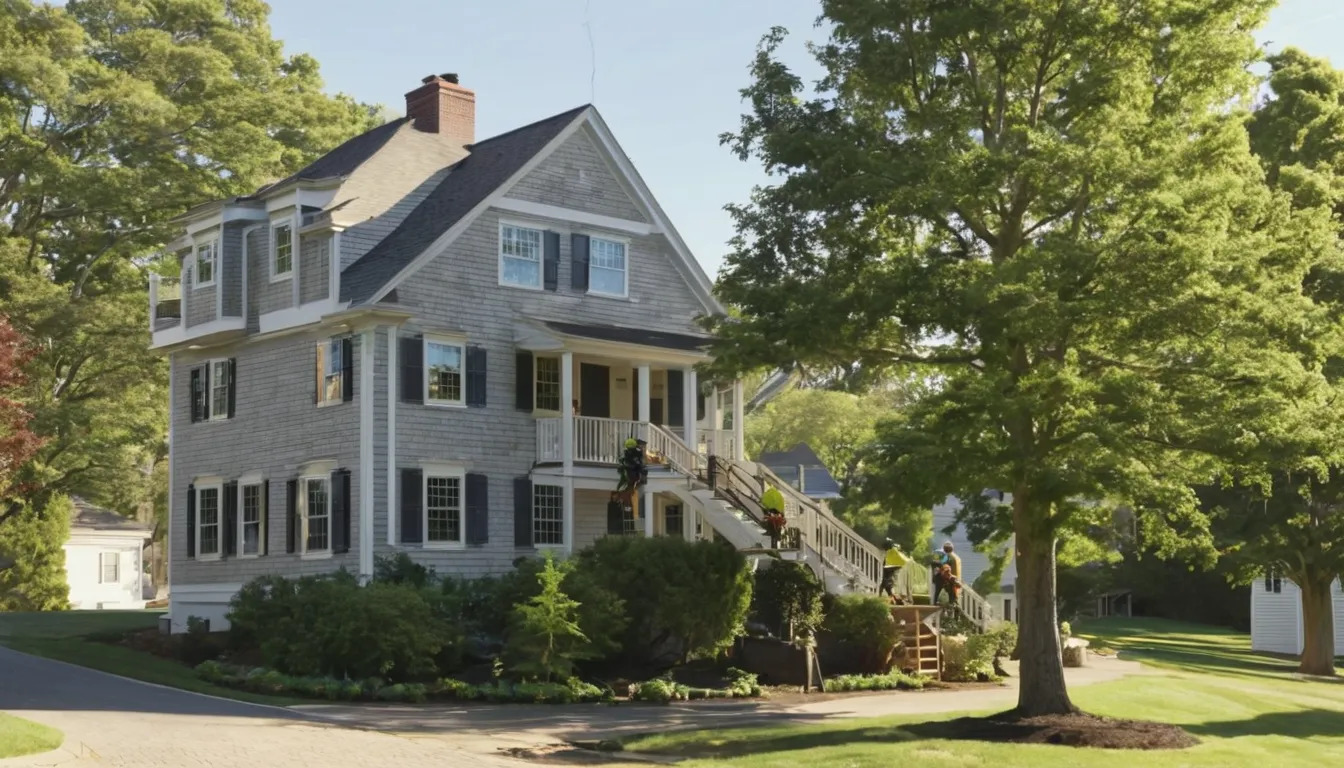
A lot of people think a worrying tree can wait for better weather. In practice, a leaning trunk, a cracked limb or a rotting base tends to get worse with each storm and each freeze. Ofleadership Tree Service is a referral service that helps you act while the job is still simple.
You tell us about the tree and your yard. We match you with an independent provider in Danbury who can look at it, explain the plan and put a written quote in your hands. The provider does the cutting, hauling and cleanup. Ofleadership Tree Service does not do the work. Our job is to make the first step easy, with no obligation to hire anyone.
Myth: "It Can Wait Until Spring"
A lot of homeowners think a damaged tree will hold still until the weather improves. In practice, trees do not pause for the calendar. Here is how the clock usually runs.
The First Hours
A fresh crack, a lean or a heaved root plate can mean the tree is already unstable. Keep people, cars and pets away from the fall zone. Do not park under it. If it is touching a power line, stay back and report it to the utility.
The Next Few Days
Wind, wet snow or a hard freeze can finish what the first problem started. Split limbs hang by a thread. Loose soil around the base lets the trunk shift a little more each day.
The Following Weeks and Seasons
Rot spreads. Pests move in. Snowmelt softens the ground, and freeze-thaw cycles keep working on cracks. A tree that was easy to remove in one piece can become a harder, riskier job.
Myth: "I Can Just Drop It Myself"
A chainsaw looks like all you need. In practice, the saw is the smallest part of the job. Trees under tension can kick, split or fall the wrong way.
Where You Can Safely Help
You can clear the area, move cars and patio furniture, mark the path for equipment and take photos of the tree. You can also trim a low, small shrub that is far from lines and buildings.
Where Professional Gear Is Needed
Anything tall, leaning, near a roof or near wires needs rigging, climbing skill and proper protective gear. Older homes with stone or block foundations and close lot lines leave very little room for mistakes.
How a Tree Falling Service Works
A good job follows a clear order, and the provider should explain each part before starting.
Walk-Through and Plan
The provider looks at the species, height, lean, rot and what sits below. Then they pick a plan: a straight felling or a section-by-section takedown.
Cutting and Lowering
In tight yards, crews often climb and lower pieces with ropes. That keeps lawns, fences and Cape Cod style rooflines safe.
Hauling and Cleanup
Limbs get chipped, logs get cut and hauled, and the yard is raked. Ask what is included in the quote before you agree.
When a Storm Brings One Down
Storm tree clearance is not the same as planned work. A tree on a fence, a driveway or a roof may be under pressure, so providers cut it in careful stages. Many providers can respond quickly, but availability varies. Take photos first. Providers can often help document damage for a claim, and some policies may cover sudden damage, so check your policy.
What Moves the Price
Size is the biggest factor. Access, nearby structures, tree condition and cleanup all matter too. A tree beside a house costs more than one in an open yard. Match, then quote: always get the number in writing.
Permits and Local Rules
Some towns protect certain trees or require a permit, especially near streets, wetlands or the coast. Your provider can often tell you what your town asks for. Rules differ, so check with your local office.
Choosing a Provider
Ask if they carry liability insurance and workers' coverage, and ask for proof. Ask for a written quote that lists cutting, hauling and stump work. Be wary of anyone who knocks on your door after a storm and asks for cash up front.
Request a callback to check provider availability for your tree.
Getting Ready for Removal Day
Move vehicles, toys and grills. Clear a path to the tree. Tell neighbors if equipment may block the street. Keep pets indoors.
After the Tree Comes Down
Walk the yard with the provider. Check for leftover branches and lawn damage. Decide what to do with the stump: some owners choose stump grinding, and others leave it for later. Plan to fill the space with a smaller, better-placed tree if you like.
What's Included
Cutting and Lowering
Providers take down the trunk and limbs in controlled sections, protecting roofs, fences and lawns below.
Hauling Away
Branches are chipped and logs are cut and removed, unless you ask to keep the wood.
Yard Cleanup
Sawdust and small debris get raked or blown clear so your yard is usable again.
Stump Options
Ask whether the quote covers the stump or only the tree, so there are no surprises.
What Tree Removal Typically Costs
Prices vary by tree size, access and condition. These are typical U.S. ranges only, not quotes. Ask a provider for a written estimate that spells out exactly what the job includes.
| Job type | Typical range | Notes |
|---|---|---|
| Small tree (under 30 ft) | $200 – $700 | Open access, simple cleanup |
| Medium tree (30–60 ft) | $500 – $1,500 | Most common residential job |
| Large tree (60 ft or taller) | $1,200 – $3,500 | Often needs climbing and rigging |
| Tight access or crane work | $1,500 – $5,000 | Near houses, wires or fences |
| Storm-damaged tree | $500 – $3,000 | Depends on how it fell and what it hit |
| Haul-away and chipping | $100 – $500 | Sometimes included, sometimes extra |
How It Works
Describe Your Tree
Share the size, location and any damage, plus a photo if you have one.
Get Matched With a Provider
We connect you with an independent local provider who fits your job.
Review the Written Quote
Check what is covered: cutting, hauling, cleanup and stump work.
Schedule the Work
Agree on a time with the provider, then prepare the yard for removal day.
Why Call Ofleadership Tree Service
Plain Answers
We explain what usually happens with a risky tree and why timing matters.
Local Matches
Independent providers in your area, matched to the size and type of your job.
Written Quotes
Compare clear estimates before you decide, with no obligation to hire.
Safety First
Heavy cutting stays with equipped providers, not weekend DIY.
Other Services
Need tree removal in Danbury?
Tell us about your tree and where it stands. Send the request form and we will point you to a local provider who can look at the job and give you a written quote.
No obligationTree Removal FAQ
- How do I know if a tree needs to be removed?
- Warning signs include a new lean, deep cracks, dead branches, mushrooms at the base, heaved soil and hollow trunks. If a tree is close to your house, ask a local provider to take a look and explain your options.
- Can I remove a tree myself to save money?
- Small shrubs and low limbs may be fine, but tall or leaning trees are risky. Falling wood, ropes under tension and nearby wires cause serious injuries. A provider has the gear and training for the job.
- Does homeowners insurance pay for tree removal?
- Some policies may cover sudden damage, such as a tree falling on a roof, but dead or decaying trees are often excluded. Check your policy, and ask the provider to help document the damage for a claim.
Reach a local provider
Tell us about your tree and where it stands. Send the request form and we will point you to a local provider who can look at the job and give you a written quote.
No obligation